Four months after launch, the AI Materials Foundry is already taking materials from AI design to testing across its lab network. Here’s what happened so far, and what’s coming next.
When we launched the AI Materials Foundry in July, we set out to speed up how new materials go from AI to the real world. Some of that work happens through our bespoke discovery programmes, one company at a time. But some materials challenges are too big, and span too many disciplines, for any one organisation to solve alone. Those are the kind of grand challenges the Foundry exists to solve together.
Our global network of labs powers this. Rather than build a lab of our own, we connect each AI design to the member lab best equipped to make and test it. Those labs sit alongside members from industry, data and compute, making up 49 founding members in total. More than 200 other organisations have asked to join and founding members are already collaborating on live projects.
From problem to physical material
Leading European chemicals company Kemira came to CuspAI with a hard problem: finding new materials that can remove short-chain PFAS from water. These "forever chemicals" are small, mobile and notoriously difficult to capture, and conventional treatments struggle to keep up. PFAS build up in the environment and in people, and have been linked to serious health effects, which is why regulators around the world are tightening limits on them.
Using our agentic platform, the CuspAI team searched a space of around 300 trillion possible structures and narrowed it down to 20 priority candidates in about six months. Exploring a space that size through synthesis and testing alone simply wouldn't be possible.
But a shortlist on a screen is only the first step in creating a new breakthrough material. So we connected Kemira with A*STAR in Singapore, a fellow Foundry member, whose autonomous lab is now making and testing those material designs.
This is the kind of collaboration we built the Foundry for. Kemira understands the problem, and how a solution needs to work in practice. Our platform can search for candidate materials at a scale no lab could match. And A*STAR's autonomous lab can then turn the most promising of those candidates into real samples and real data.
A network of labs
The Kemira project shows why we chose to build a network rather than a lab of our own.
The materials the world needs are too varied and too specialised for any single lab, or any single company to master quickly enough on its own. A material for capturing PFAS and a material for next-generation chips call for very different equipment, processes, and expertise. So every CuspAI design is matched to the lab with the right tools and expertise to synthesise and measure its potential today. Because those labs already exist, that work can start straight away, not after years spent building new facilities.
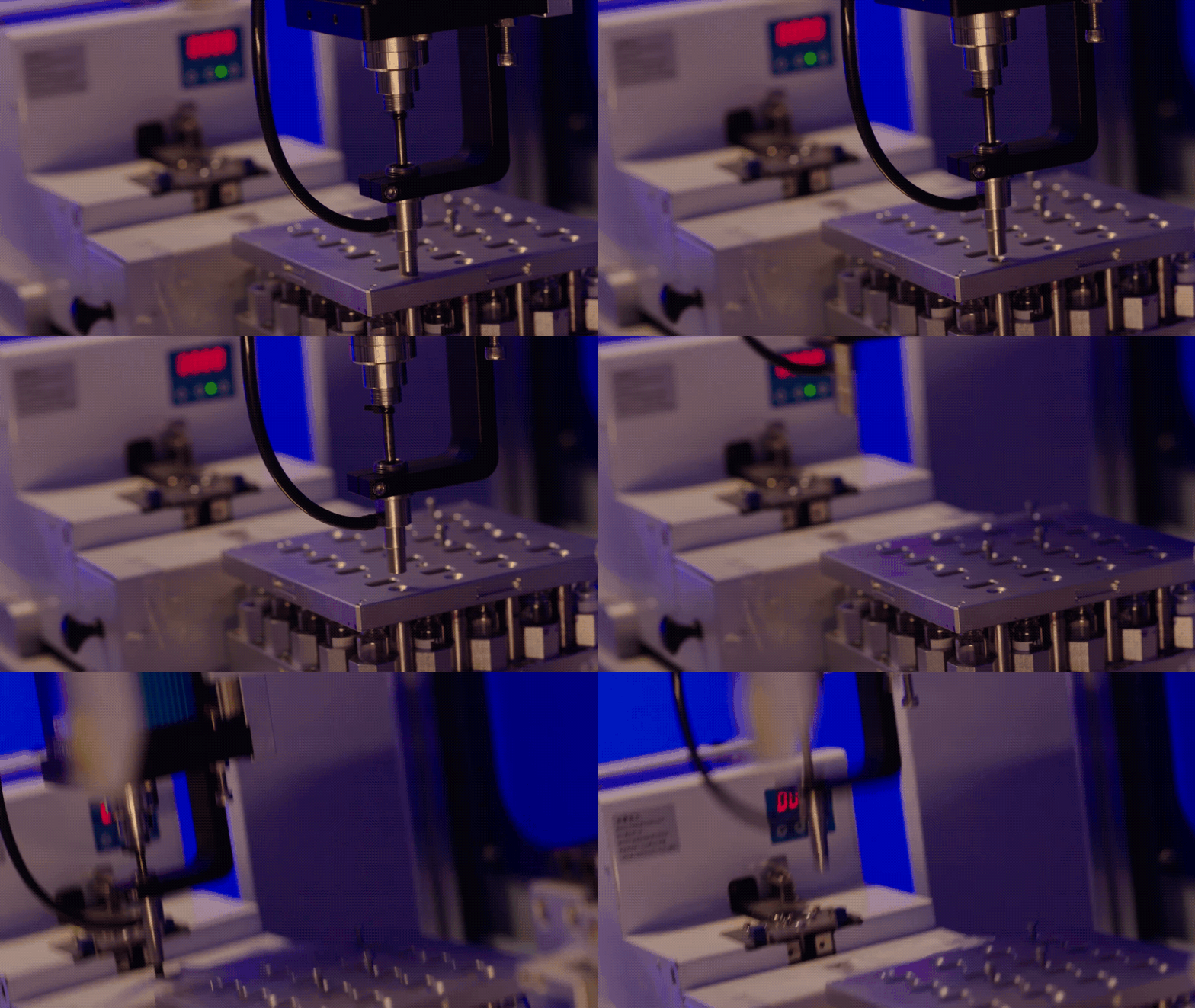
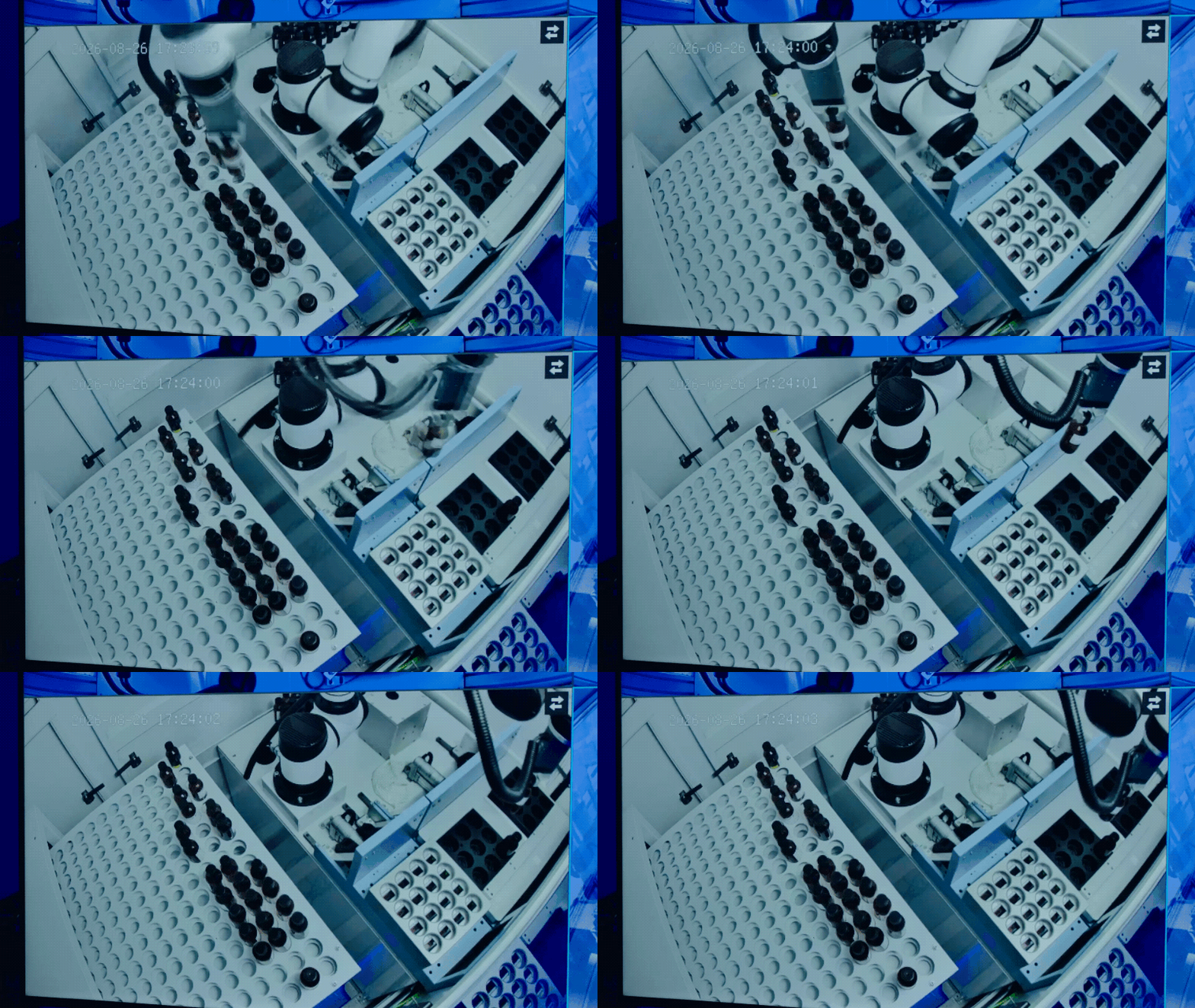
MARVEL-AI in Singapore is one example of the labs in our network. It’s a new national programme that builds on our recently announced five-year partnership with A*STAR. It brings together A*STAR’s Institute of Materials Research and Engineering (IMRE) self-driving lab, CuspAI’s agentic platform, and characterisation capabilities from Shimadzu, another Foundry member. Materials can be designed, made and measured in one continuous loop, with each round of results feeding straight back into the next round of designs.
Learning together
Making and testing materials is one part of the Foundry. Another is bringing our members together, so they can learn from us and from each other. On 18 and 19 November, members joined our first virtual Foundry event. In these sessions, we covered the state of the art in generative models, agentic discovery and materials discovery in autonomous labs, and how they're starting to work together.
It's the start of an ongoing education programme. Giving members access to AI tools isn't enough on its own. Members consistently tell us their R&D teams also need to understand what the tools can and can't do, so they can use them with confidence in their own work.
What's next
Much of what we've learned in the first four months has come from members themselves, and it's shaping where we focus next.
Some clear themes are coming through from members on where they hope AI can help accelerate their R&D cycles. Many are looking for PFAS-free alternatives across their product lines. Others want better data on polymers and formulations, an area where AI is still held back by how little high-quality data exist. And everyone wants to shorten the time between discovering a material and manufacturing it at scale.
Those shared problems point to a bigger opportunity for Foundry members. We're exploring how to work together on these grand challenges, pooling expertise, data and lab capacity on problems no one organisation could tackle on its own. We'll take that conversation forward in person next year, when members meet for the first time at the inaugural Foundry Summit in London in June 2027.
When we started the Foundry, we believed the materials the world needs would come from bringing the right people, tools, and labs together. Four months in, we're seeing that happen, from a shortlist of PFAS-capturing materials being made in Singapore to R&D teams learning new ways of working.
Thank you to every member who's joined us so far. The materials that will power human progress are out there. Together, we’ll find them faster.